

Finding Peptide Injectable Pens in Canada
The demand for advanced peptide therapies has surged exponentially across North America, driven primarily by the clinical success of GLP-1 receptor agonists and tissue-repair compounds. As public interest grows, many individuals and independent researchers begin their search looking for “peptide injectable pens.”
Whether you are a patient navigating the Canadian healthcare system or a researcher looking to source premium compounds for laboratory study, understanding how peptides are packaged, regulated, and distributed in Canada is crucial.
This guide breaks down the difference between commercial pre-filled prescription pens and research-grade lyophilized vials, and how to source the right format for your specific needs.

What Are Peptide Injectable Pens?
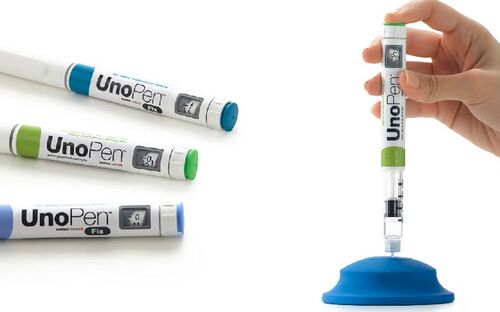
When people refer to a “peptide pen,” they are typically talking about a commercial, pre-filled auto-injector device. These are manufactured by large pharmaceutical companies strictly for human therapeutic use.
These pens come pre-mixed with the peptide in a liquid solution and are designed for consumer convenience. They feature a dial mechanism that allows a patient to select their prescribed dose, attach a disposable needle tip, and administer the medication without needing to manually draw liquid from a vial or perform any mathematical conversions. The most famous examples of these devices in the current market are GLP-1 weight-management and diabetes pens, such as those containing semaglutide or tirzepatide.
The Clinical Route: Sourcing Prescription Pens in Canada
If your goal is human consumption for the treatment of a medical condition, you must navigate the clinical healthcare pathway. In Canada, commercial peptide pens are classified as Schedule I prescription medications, heavily regulated by Health Canada.
To acquire them, you must follow these steps:
- Medical Consultation: You must consult with a licensed Canadian physician, endocrinologist, or a specialized telemedicine weight-loss clinic.
- Prescription: If you meet the clinical criteria (such as specific BMI thresholds or metabolic markers), the doctor will write a prescription.
- Pharmacy Fulfillment: The prescription must be filled at a licensed Canadian pharmacy.
The Challenge with Commercial Pens
While pre-filled pens offer convenience, the Canadian market is currently facing severe, ongoing national shortages of these devices. Because global demand has vastly outpaced pharmaceutical manufacturing capabilities, patients often face months-long waitlists. Additionally, these commercial pens are notoriously expensive, and public or private insurance coverage is frequently limited or restricted entirely depending on the diagnosis.
The Research Alternative: Lyophilized Vials vs. Pre-Filled Pens
For academic laboratories, in-vitro testing facilities, and independent researchers, commercial auto-injector pens are rarely used. Instead, the scientific community relies on lyophilized (freeze-dried) peptides packaged in sterile glass vials.
There are several vital reasons why researchers prefer lyophilized vials over pre-filled pens:
1. Superior Stability and Shelf-Life
Peptides suspended in a liquid state (as found in commercial pens) are highly fragile and degrade rapidly when exposed to heat or agitation. Lyophilized peptides have had the moisture extracted from them, placing the delicate amino acid chains into a dormant, highly stable state. This allows them to survive the fluctuating temperatures of Canadian shipping routes without structural damage, boasting a freezer shelf-life of up to two years.
2. Absolute Purity Verification
Commercial pens contain various preservatives and buffers to keep the liquid stable. In a research setting, introducing unknown variables ruins data integrity. By sourcing lyophilized powder, researchers can demand third-party High-Performance Liquid Chromatography (HPLC) and Mass Spectrometry testing to verify the compound is 99%+ pure and filler-free before they begin their trials.
3. Unrestricted Availability
Because research peptides are not bound by the same commercial manufacturing bottlenecks as auto-injector pens, they are readily available for immediate laboratory use without the delays of national pharmacy shortages.

How Researchers Prepare and Dose Vials
While commercial pens rely on a simple clicking dial, handling lyophilized research vials requires a precise, clinical process known as reconstitution.
To activate the dormant peptide powder, researchers must introduce a sterile solvent—almost exclusively Bacteriostatic Water (BAC water). The BAC water contains 0.9% benzyl alcohol, which prevents bacterial growth and allows the vial to be drawn from safely multiple times.
Once the peptide is reconstituted, researchers use standard U-100 insulin syringes to draw their required micro-dose. To eliminate the complex mathematics of converting the milligrams in the vial to the micrograms required for the study, modern laboratories utilize specialized digital tools. For example, using the Peptide Fire Dosage Calculators, researchers can instantly convert their target dose into a highly accurate, visual syringe tick-mark guide, entirely replicating the precision of a commercial pen’s dial.
Sourcing High-Quality Peptides in Canada
If you are conducting independent research and require lyophilized peptides, your supply chain is your most critical asset.
Never order internationally. Ordering peptides from overseas or the United States frequently results in shipments being seized by the Canada Border Services Agency (CBSA), or the compounds degrading while sitting in unpredictable customs warehouses.
Always source from a premium domestic supplier. Peptide Fire warehouses and dispatches all research compounds directly from within Canada, ensuring rapid, cold-chain-compliant delivery without border interference. We provide academic laboratories with 99%+ HPLC-verified peptides, alongside the necessary medical-grade bacteriostatic water and sterile measurement tools required for flawless execution.
Disclaimer: All lyophilized peptides, compounds, and protocols provided by Peptide Fire are strictly intended for laboratory research and in-vitro testing purposes only. They are not commercial prescription pens and are not approved for human consumption, diagnosis, or therapeutic use.